
New Launch
Dubai IslandsQ2 2028
Flu1d One
by Object One
- Observed pricing sits around AED 25,833 to AED 28,708 per sqm.
- Price from AED 2.05M.
Starting from
AED 2.05M
Off-Plan Projects
Search off-plan projects in Dubai by area, developer, price, and completion date. Compare live launches with pricing data and construction progress.
Matching launches
Showing 49-72 of 1110 matching projects.
Market overview
by Object One
Starting from
AED 2.05M

by Arsenal East
Starting from
AED 1.2M

by Majid Developments
Starting from
AED 610K

by Tarrad Development
Starting from
AED 651.6K

by Aqua
Starting from
AED 720K
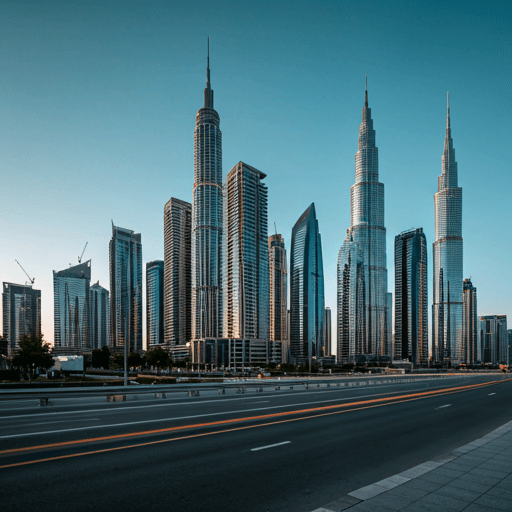
by Lamar Development
Starting from
AED 43M

by ALAIN
Starting from
AED 1.62M

by Dugasta Properties Development
Starting from
AED 916.4K

by Binghatti
Starting from
AED 779K

by Dugasta Properties Development
Starting from
AED 631.3K

by Siroya
Starting from
AED 1.05M

by Palladium Development
Starting from
AED 1.25M

by CDS Developments
Starting from
AED 1.88M

by Palladium Development
Starting from
AED 1.75M

by Palladium Development
Starting from
AED 1.95M

by Meraas
Starting from
AED 15.4M
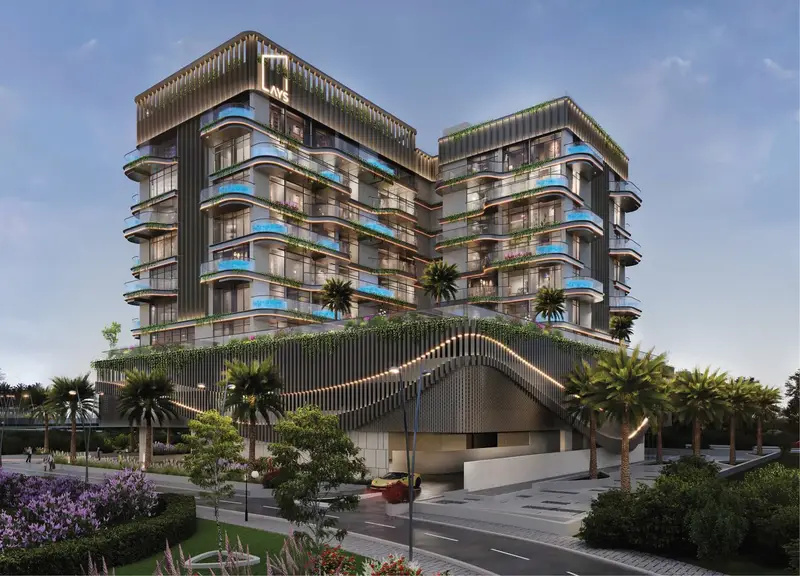
by AYS Property Development
Starting from
AED 2.13M

by AUM Development
Starting from
AED 602.6K

by Forum Real Estate Development
Starting from
AED 612K

by Empire Developments
Starting from
AED 809.8K

by Enaam Properties Development
Starting from
AED 975K

by Tarrad Development
Starting from
AED 550K
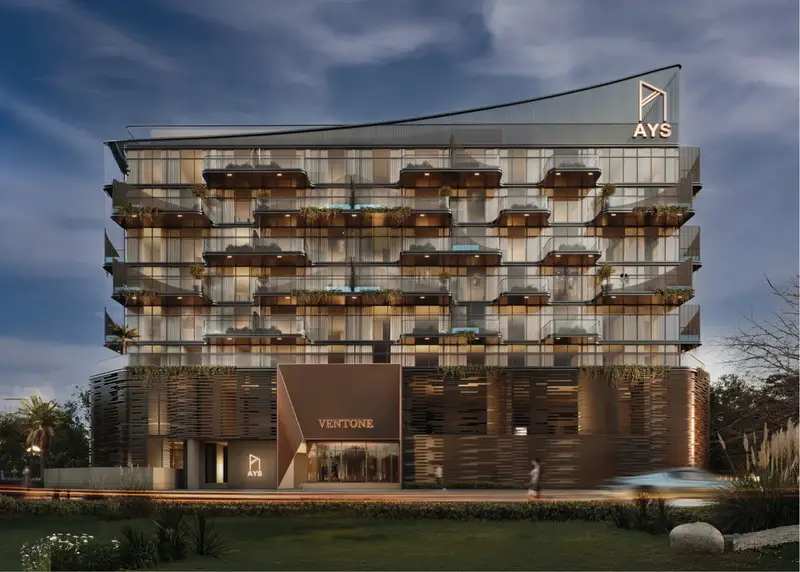
by AYS Property Development
Starting from
AED 2.23M

by Dugasta Properties Development
Starting from
AED 738.6K
Page navigation
Page 3 of 47
The Dubai off-plan market in 2026 is defined by scale and segmentation. Off-plan transactions made up 70% of Dubai's 17,400 recorded deals in January 2026 alone, and AED 293 billion in off-plan sales were completed across 2025. Tracked now: 1,110 live projects across Dubai's freehold zones, spanning apartments, villas, townhouses, and branded residences from sub-AED 500K entry points into the nine-figure ultra-prime bracket. That volume creates a real comparison problem. Developers release dozens of new launches every quarter at similar headline prices—yet post-handover yield, resale liquidity, and capital appreciation vary significantly based on six attributes that price filters alone cannot surface. Buyers who selection on per-square-foot cost without weighing developer delivery record, district infrastructure trajectory, handover timing, and payment plan structure consistently select projects that underperform their return assumptions. Applying the same six-attribute framework that institutional buyers and high-net-worth investors use before reservation separates investable launches from overpriced noise.
Tracked now
1110
The number of tracked entries currently surfaced here.
Six attributes consistently separate high-performing Dubai off-plan launches from projects that deliver at or below their headline return promise.
Developer delivery record is the highest-weight variable in any credible project comparison. A developer with a verified history of on-time handovers and accurate specification delivery reduces the execution risk premium embedded in your purchase price. RERA compliance and an active escrow account registered with the Dubai Land Department are non-negotiable baseline requirements—not optional due diligence. Mid-tier developers with fewer than three completed projects in Dubai carry materially higher execution risk regardless of marketing positioning or launch pricing.
Location relative to infrastructure growth determines long-term rental demand and resale liquidity more reliably than any amenity claim. Projects within 800 metres of a confirmed metro station—particularly on the Blue Line expansion corridor currently under construction—command a structural premium that persists post-handover. Proximity to Expo City, the Dubai World Trade Center expansion zone, and major employment clusters supports rental yield above the community average and protects capital value through market softening periods.
Handover timeline shapes the risk-return profile directly. A 2027–2028 handover aligns with the current appreciation cycle and limits the construction period during which capital is deployed but not income-generating. Timelines extending to 2030 or beyond suit investors with a long-hold capital strategy but require higher confidence in developer financial durability and exit market conditions at completion.
Community positioning and lifestyle infrastructure affect end-user demand, which in turn sustains rental yield and resale values above generic developments. Masterplans integrating wellness amenities, open green space, retail activation, and walkable street networks outperform high-density residential blocks even at equivalent per-square-foot entry prices. Verify that key amenities are committed in the SPA phase—not deferred to a future development phase with no binding delivery timeline.
Unit design and specification directly influence tenant demand and resale premium. Smart home integration, sustainable building certification, and optimised floor plans—particularly those with high usable-to-gross-area ratios—attract premium tenants and generate stronger resale demand. Selecting the right floor, view corridor, and unit type during the launch window, before bulk institutional allocations are released to agents, is one of the highest-leverage decisions in the off-plan buying process.
Payment plan structure is a primary off-plan advantage over secondary market purchases. Staggered payment schedules—particularly 40/60 or 50/50 post-handover structures—improve cashflow during the construction period and allow capital to remain deployed elsewhere. Evaluate total cash requirements per milestone against your liquidity position before committing. DLD registration fees (4% of purchase price) fall outside the payment plan and are due at SPA signing.
| Attribute | What to verify | Red flag |
|---|---|---|
| Developer | RERA compliance, active escrow account, delivery history on prior projects | No verifiable completed projects in Dubai |
| Location | Metro proximity, employment cluster access, masterplan phase completion status | Single-access road, no confirmed infrastructure upgrade timeline |
| Handover | Confirmed year in SPA, penalty clauses for delay, RERA milestone registration | Vague 'estimated' delivery with no registered milestone schedule |
| Community | Amenity activation timeline, management entity named, service charge benchmarks | Key amenities listed as 'phase 2' with no committed delivery date |
| Unit specification | Floor plan efficiency ratio, smart home spec, sustainability certification | Generic spec sheet with no show unit or verified sample unit access |
| Payment plan | Post-handover percentage, milestone triggers, DLD fee responsibility | 100% construction-linked with no post-handover payment component |
Before adding any project to your active selection: confirm the project holds a current RERA registration permit number; verify the escrow account is live and matches the developer entity on the DLD register; confirm the SPA specifies your exact unit number, floor, view orientation, and finish specification—not a generic equivalent; and ensure your legal or conveyancing representative has reviewed the payment schedule, handover obligation clauses, and defect liability period in full. Projects unable to provide an active RERA permit number and a verified escrow account reference before reservation payment should not advance past initial enquiry. The buying process and buying advice resources cover the complete legal due diligence checklist.
Dubai's off-plan market does not perform uniformly. Price appreciation, rental yield ceiling, and resale liquidity diverge sharply by district and developer tier—and the same per-square-foot entry price can represent strong value or structural overpayment depending on both variables.
District trajectory sets the yield ceiling. Established communities—Dubai Hills Estate, Business Bay, Downtown Dubai, and DIFC—deliver strong rental demand and deep resale liquidity, but limited capital appreciation upside given current entry prices. Mid-market communities with confirmed infrastructure investment—JVC, Meydan, Dubai South, the Expo City corridor—offer higher appreciation potential at lower entry costs, provided the district-level supply pipeline is assessed before commitment. Isolated high-density areas without committed infrastructure upgrades face the strongest competition from resale inventory and carry the weakest yield floor across any portfolio.
Developer tier creates asymmetric risk profiles. Tier-1 developers—Emaar, Sobha Realty, Aldar, Meraas, Damac—have demonstrated delivery consistency across market cycles, which directly supports post-handover resale liquidity and rental premiums independent of broader market conditions. Their projects typically carry a 10–20% price premium over equivalent launches from smaller developers. That premium is frequently justified by the reduction in execution risk and the post-handover resale market depth their brand generates. Mid-tier developers with one or two completed Dubai projects can offer value at the right entry price but require deeper due diligence on escrow compliance, financial position, and construction progress pace. Review Dubai developers for verified track-record data by developer entity before committing capital.
Supply dynamics vary sharply by sub-market. Villa and townhouse formats in established low-density communities face genuine supply constraints that sustain price momentum and compress days-to-let post-handover. Apartment supply in high-density corridors is more elastic—meaning post-handover performance is determined more by unit quality, view corridor, and floor level than by broad district demand. Projects in undersupplied format segments, particularly 3- and 4-bedroom villas below AED 3M, consistently command launch premiums and resell above comparable secondary market stock within 18 months of handover.
Branded residences and ultra-prime launches operate on separate investment logic. Projects priced above AED 5M per unit are driven by scarcity, international brand equity, and global HNW demand rather than domestic rental yield. Capital appreciation is the primary return driver at this end of the market, and the comparison framework shifts toward developer brand partnerships, construction quality certifications, and exit market depth in London, Singapore, and Zurich as much as Dubai.
For buyers comparing live launches across price points, Sea Legend One demonstrates how waterfront positioning and developer pedigree interact with pricing at the premium end of the market. Amber By Enso and Luz Ora Residences illustrate contrasting approaches to community positioning and unit specification in the mid-market segment. Use Dubai areas to benchmark district-level supply volume, pricing trends, and infrastructure status before finalising your geographic filter.
Take the next step
Request the RERA project registration number and confirm it matches an active escrow account registered with the Dubai Land Department. Established developers—Emaar, Sobha Realty, Aldar, Meraas—have publicly verifiable completion records your legal representative can cross-reference against the DLD register. For mid-tier developers, request project-specific handover data on their last three completed buildings: original promised handover date versus actual delivery date, and any specification changes between launch and completion. Developers unable to provide this data should not advance to contract stage. The [buying process guide](/guide) covers escrow verification and SPA review requirements in full.
Projects targeting 2027–2028 handover align with the current appreciation cycle and the 20–30% capital gain window buyers have realised between reservation and completion in recent launches. The Blue Line Metro expansion and ongoing Expo City corridor development are expected to sustain pricing momentum in connected districts through that delivery window. Projects extending to 2030 or beyond suit a long-hold capital strategy but carry higher construction risk and require greater confidence in developer financial durability at exit. Buyers prioritising immediate post-handover rental income should verify district-level rental demand before committing—JVC and Dubai Hills sustain 6–9% gross yields for well-positioned apartments in the current leasing market.
Since 2022, villa and townhouse off-plan formats have outperformed apartment launches on capital appreciation, driven by genuine supply constraints and sustained end-user demand for low-density living. Larger formats—4-bedroom townhouses above 2,800 sq ft—have sold faster than equivalent mid-market apartment units in the same district throughout 2025 and into 2026. That advantage is format- and location-specific, not universal: apartments in undersupplied high-demand communities like Dubai Hills or DIFC can match villa appreciation at a lower per-unit entry price. Post-handover rental yield comparisons also shift by format—villa yield per dirham invested is often lower than apartments in high-occupancy corridors. Explore [Dubai areas](/areas) for district-level format supply data before fixing a unit type preference.